-e1712887025133.png)
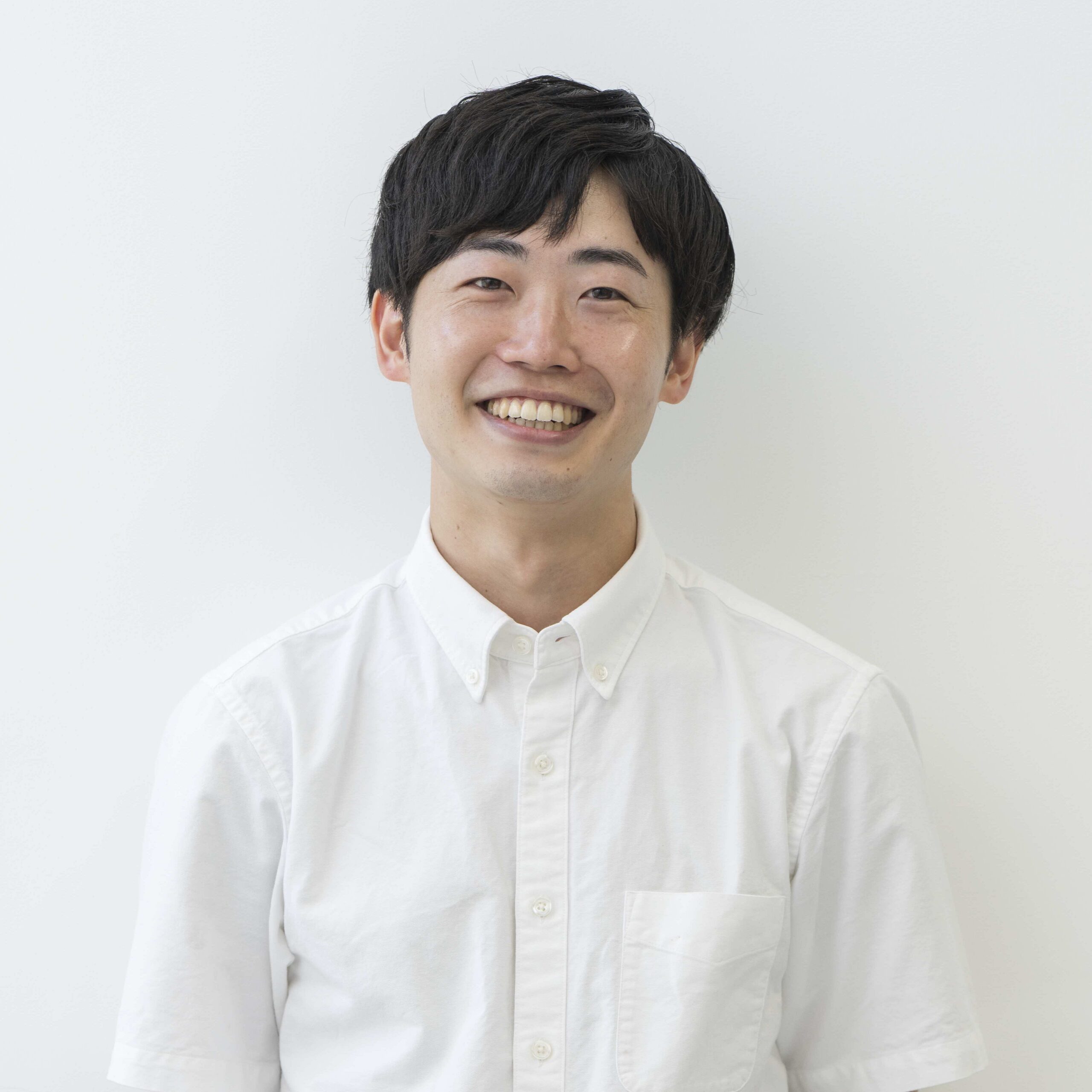
Yoshinobu Fudamoto
Affiliation/position: Specially-appointed Assistant Professor, Center for Frontier Science, Chiba University
Research theme: Galaxy Formation and Evolution, Radio Astronomy, Observational Cosmology
Hashtag: #First galaxies #Galaxy evolution #Protoclusters #Population III stars #Data analysis
Research content: By combining observations with radio telescopes such as the ALMA telescope, in addition to the Hubble and JWST , I study several activities of galaxies in the early Universe; e.g., star-formation activities, interstellar gas properties, and dust formation. With these wide-wavelength observations and the studies of multiple galaxy components , I aim to exploit the formation and evolution of galaxies from various perspectives and to explore new horizons in the study of extragalactic astronomy.
ORCID:0000-0001-7440-8832
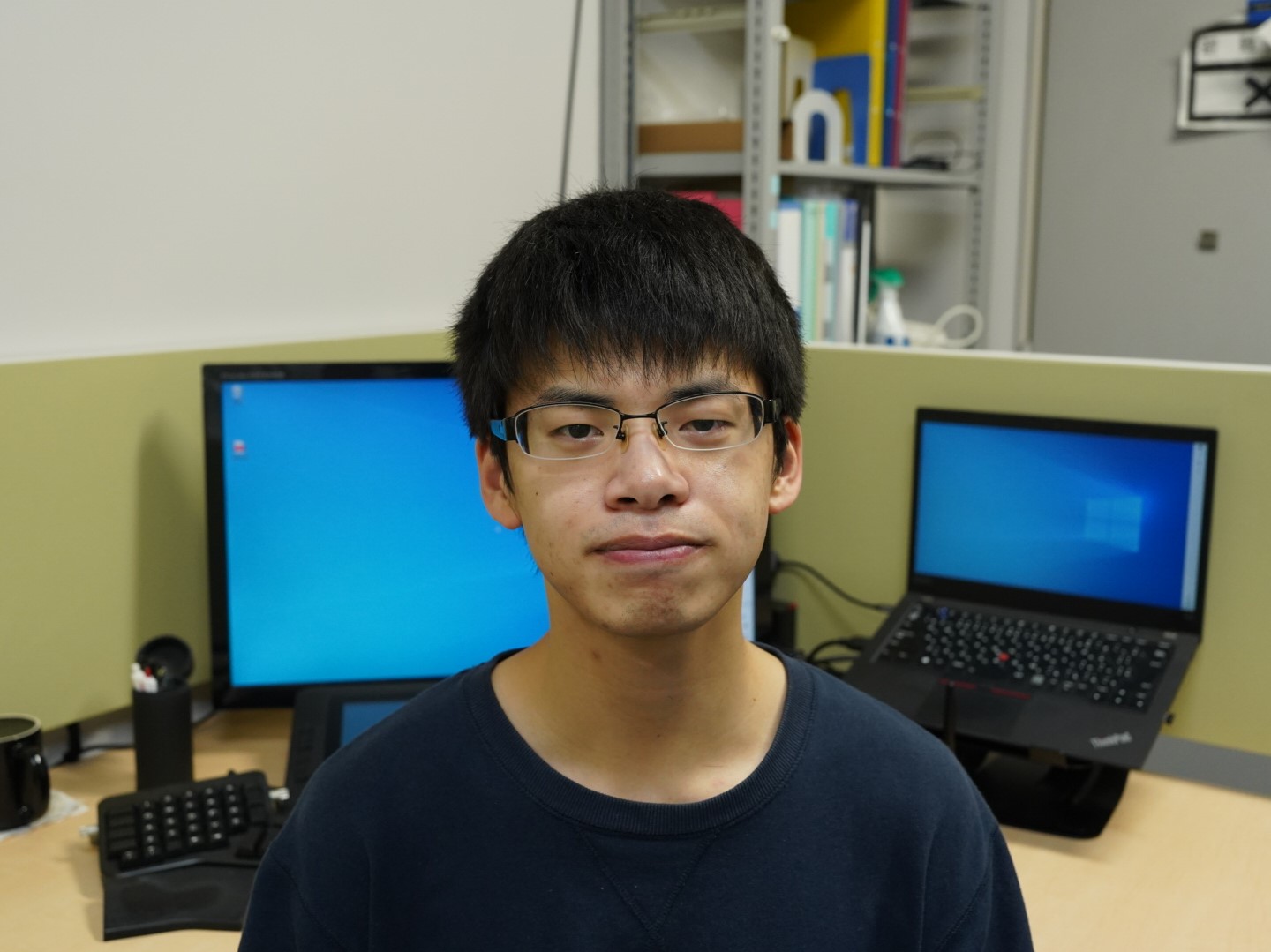
Hajime Ogane
Affiliation/position: Assistant Professor(tenure-track), Advanced Technology Center, National Astronomical Observatory of Japan
Research theme: Adaptive optics, Optical-Infrared astronomical instrumentation
Hashtag: #astronomical instrumentation, #adaptive optics, #galaxy evolution
Research content: I am a member of the instrument development team for the ULTIMATE-Subaru project, which aims to achieve wide-field, high-resolution infrared observations at the Subaru Telescope. My work focuses on the development of the Laser Guide Star Facility and Wavefront Sensor for the Ground-Layer Adaptive Optics (GLAO) technology in close collaboration with the Australian National University.
ORCID:0000-0002-7760-7703
Yuri Oku
Affiliation/position: Specially Appointed Assistant Professor, Department of Earth and Space Science, School of Science, The University of Osaka
Research theme: Cosmological Structure Formation, Galaxy Formation and Evolution, Numerical Simulation
Hashtag: #GalaxyEvolution #NumericalSimulation #SuperMassiveBlackHole #Supernovae #LargeScaleStructure
Research content: We use computer simulations to study how the universe and galaxies are formed. By including astronomical phenomena such as supernovae and supermassive black holes into our cosmological simulations, we can investigate how these affect the formation of large-scale structures and galaxies. We aim to develop a theoretical model to advance precision cosmology based on understanding multi-scale physics in the structure formation of the universe.
ORCID:0000-0002-5712-6865

Benjamin Courtney-Barrer
Affiliation/position: Postdoctoral Research Fellow, Astrophysics and Space Technologies Research Centre, School of Mathematical and Physical Sciences, Macquarie University
Research theme: Advanced astronomical instrumentation and stellar astrophysics: adaptive optics, wavefront sensing, and long-period stellar variability
Hashtag: #AdaptiveOptics #GLAO #WavefrontSensing #AstronomicalInstrumentation #OpticalInterferometry #Astrophotonics #StellarAstrophysics
Research content: Ben is a postdoctoral researcher working on advanced instrumentation for ground-based astronomy. In the JSPS International Leading Research program, his current work focuses on ground-layer adaptive optics (GLAO), wavefront sensing, and the experimental validation of wide-field correction concepts for ULTIMATE-Subaru. His broader background includes adaptive optics development for interferometric instrumentation, including co-leading work on the Baldr Zernike wavefront sensor within the Asgard project for the Very Large Telescope Interferometer, as well as research on stellar variability and late-stage stellar evolution. His work connects optical design, laboratory testbeds, real-time control, and astronomy-driven instrumentation development.
ORCID:0000-0002-7679-9686